- ঢাকা
- সোমবার , ২৯ জুন ২০২৬ , রাত ১২:০৪
The mission was led by Professor Muhammad Mustafa Hussain, who presented Bangladesh’s long-term roadmap for building a globally connected innovation ecosystem spanning semiconductor design, advanced packaging, artificial intelligence, robotics, and biotechnology. Participating Bangladeshi companies showcased their technical capabilities and expansion plans as part of a broader effort to position the country as an emerging hub for chip design and engineering services.
At SanDisk, the delegation held discussions with senior executives and toured advanced research facilities. Talks centered on a proposed five-year cooperation framework covering workforce development, storage systems validation, AI-enabled infrastructure, and next-generation manufacturing innovation. Company leadership reportedly formed an internal committee to evaluate potential collaboration pathways with Bangladesh.
Later, at GlobalFoundries, discussions focused on expanding commercial engagement and integrating Bangladeshi firms into its supplier ecosystem. Officials confirmed that two Bangladeshi companies are being considered for onboarding as primary vendors. Both sides also explored the idea of establishing an advanced packaging research and design center in Bangladesh connected to global academic and industrial partners.
At Synopsys, conversations emphasized talent development and academic collaboration. The company indicated support for expanded access to its academic research alliance programs and participation in Bangladesh’s proposed national workforce initiative targeting thousands of engineers. Plans were also discussed for a Manufacturing Design Kit (MDK) center involving global partners and universities.
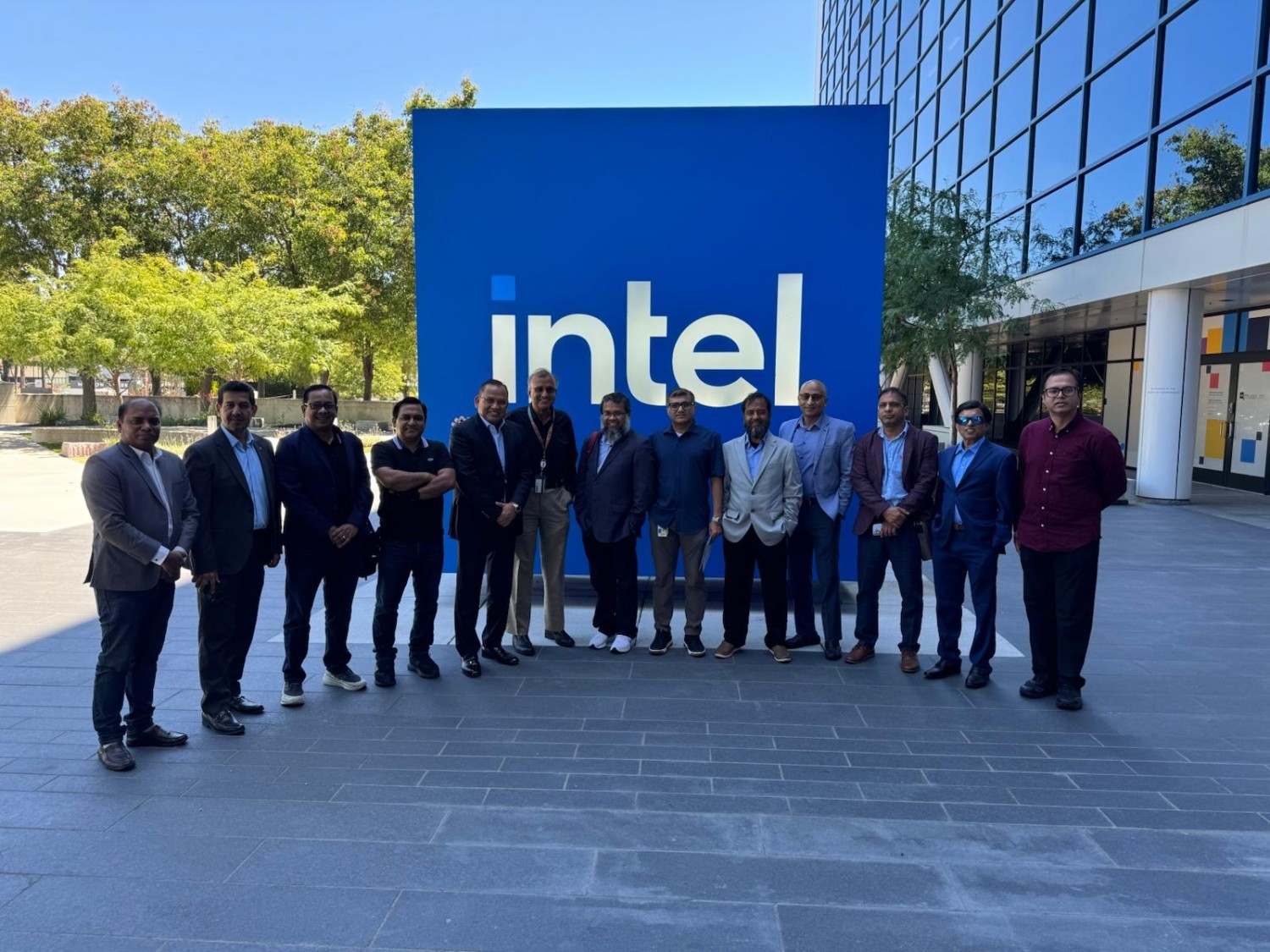
At Intel, Bangladeshi-origin engineers joined leadership discussions focused on design innovation, advanced packaging, commercialization pathways, and workforce development. The engagement highlighted growing diaspora involvement in Bangladesh’s semiconductor ambitions.
In a separate meeting with Arm, talks focused on AI-driven computing, system design, and long-term ecosystem collaboration. Officials explored opportunities for strengthening Bangladesh’s capabilities in chip architecture and embedded system development.
The delegation also met with executives at CREDO, where discussions centered on high-speed connectivity solutions and semiconductor design partnerships.
Following Silicon Valley engagements, the delegation met Bangladeshi-origin semiconductor professionals and entrepreneurs in Sacramento. The gathering, organized by veteran industry professional Towhid Rahman, focused on mobilizing diaspora expertise to support Bangladesh’s emerging semiconductor strategy.
Participants pledged support for initiatives such as BRAINGAIN, offering mentorship, investment guidance, and technical collaboration aimed at strengthening Bangladesh’s innovation pipeline.
A Silicon River banquet in California brought together nearly 100 executives, investors, and engineers from leading semiconductor firms. Bangladesh’s ambassador to the United States, Tareq Ariful Islam, described Bangladesh’s BRAINGAIN initiative as a key intellectual driver for the country’s technology transformation.
Additional meetings with Yield Engineering Systems and UC Berkeley’s SkyDeck accelerator focused on manufacturing equipment development, startup commercialization, and access to U.S. venture capital networks, signaling an effort to connect Bangladesh’s emerging innovation ecosystem with global funding channels.